Concrete Foundation Repair Methods Explained
People seeking concrete foundation repair methods explained are often looking to fix foundation issues, and local contractors can help determine the best repair solutions for their needs.
Understanding concrete foundation repair methods explained can be essential for property owners facing signs of foundation issues, such as cracks, uneven floors, or shifting walls. If these concerns sound familiar, you're in the right place to learn about the practical options available. Exploring how local contractors approach foundation repair can help you make informed decisions about protecting your property’s stability and value, especially if your area is prone to soil movement or seasonal changes that impact foundations.
This information can serve as a helpful guide when considering the services offered by local service providers who specialize in concrete foundation repair. Whether it’s addressing minor cracks or more extensive stabilization techniques, knowing the methods involved can clarify what to expect from professionals handling the job. Keep reading to discover how these repair approaches work and how local contractors can assist in restoring the integrity of your foundation effectively.
- Slab foundation repair - homeowners noticing uneven floors or cracking may need this method, which local contractors typically approach with underpinning or mudjacking techniques.
- Pier and beam foundation repair - when signs of settling or shifting appear, local service providers often stabilize and lift the structure using pier installation or reinforcement.
- Crack injection repair - visible cracks in concrete walls or floors indicate the need for crack injection, which local pros perform to restore stability and prevent further damage.
- Mudjacking - sinking concrete slabs require raising and leveling, a process local contractors handle through foam or mud-based lifting methods.
- Piering and underpinning - significant foundation movement calls for deep support solutions, with local service providers installing piers to stabilize and lift the foundation effectively.
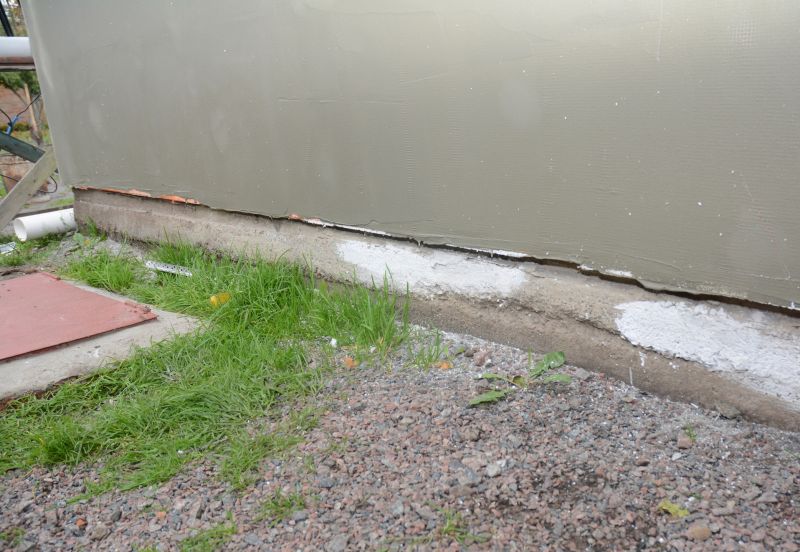
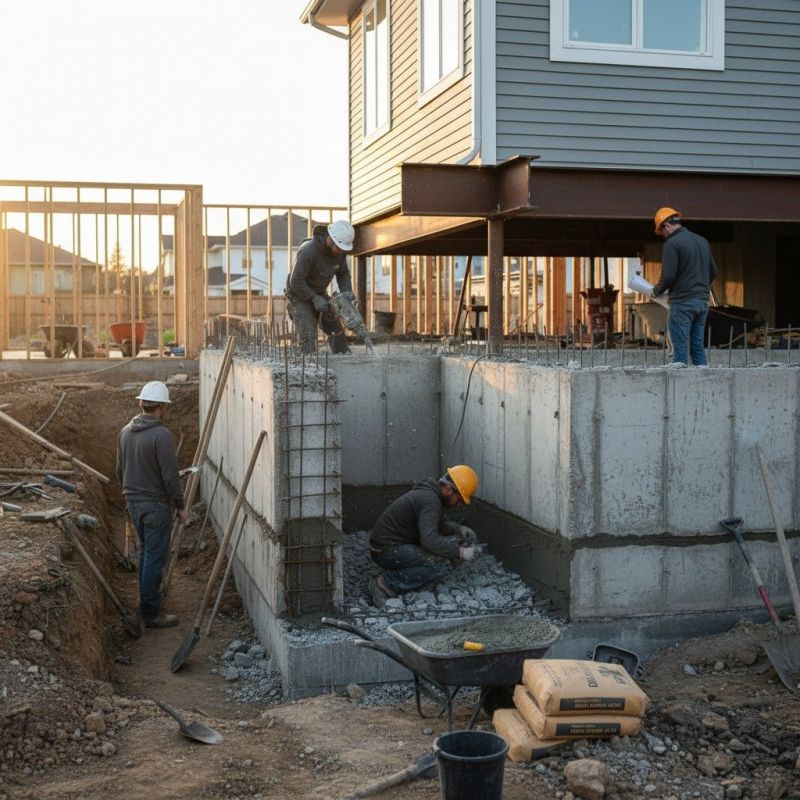
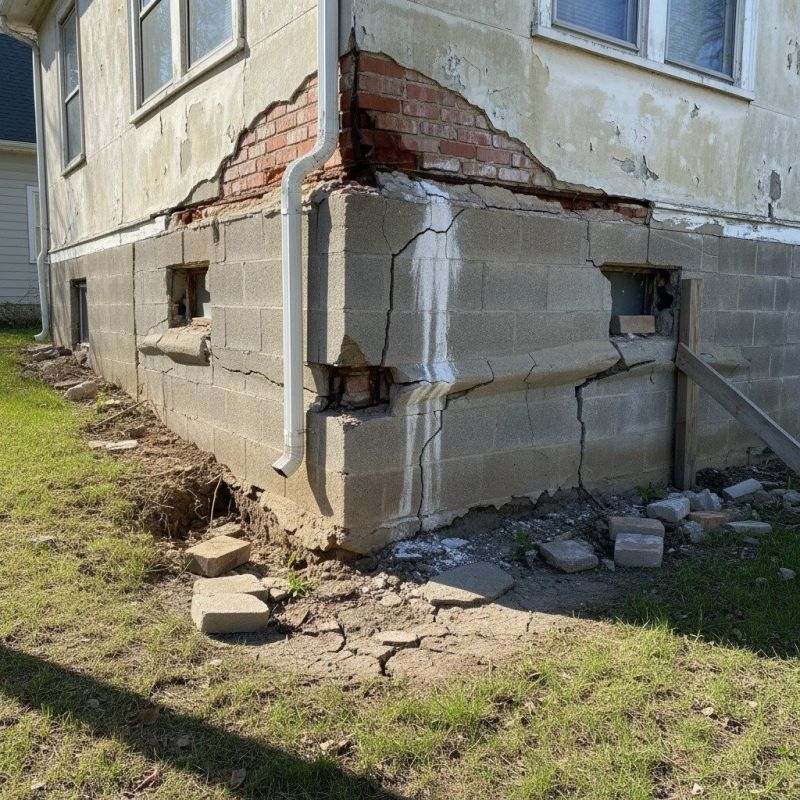
When searching for concrete foundation repair methods explained, homeowners are typically looking for clear information about how foundational issues are diagnosed and fixed. This topic often comes up when a property owner notices signs of foundation problems, such as cracking walls, uneven floors, or doors that no longer close properly. Understanding the various repair methods helps homeowners grasp what might be involved in restoring stability and preventing further damage. It also provides insight into the different approaches that local contractors use to address specific foundation concerns, ensuring that property owners can make informed decisions about the services they need.
Concrete foundation repair methods are closely related to common structural problems faced by residential and commercial properties. Foundations can settle unevenly due to soil movement, moisture changes, or poor initial construction. These issues often lead to cracks, bowing walls, or shifting slabs. Repair plans aim to stabilize the structure, restore levelness, and prevent future damage. Local service providers typically evaluate the extent of the problem and recommend suitable techniques, such as underpinning, slab jacking, or piering. Understanding these methods helps property owners see how repairs are tailored to different types of foundation issues and property conditions.
The types of properties that frequently require concrete foundation repair include single-family homes, multi-unit residential buildings, and small commercial structures. These properties often have concrete slabs, basement foundations, or crawl spaces that are susceptible to movement over time. Homes built on expansive clay soils or in areas with significant moisture fluctuations are particularly prone to foundation problems. Local contractors are experienced in working with these property types and can recommend repair techniques suited to the specific foundation system. Recognizing the property’s foundation type and understanding the relevant repair methods can help homeowners connect with the right service providers for their project.
Concrete foundation repair methods explained in depth cover a range of techniques designed to address different foundation issues effectively. For instance, underpinning involves installing additional support beneath the existing foundation to stabilize it. Piering uses steel or concrete piers driven into stable soil layers to lift and support the foundation. Slab jacking involves injecting grout beneath a sunken concrete slab to raise it back to level. Each method has its advantages depending on the severity of the problem, the type of foundation, and soil conditions. Local pros are equipped to evaluate which repair approach is best suited for a specific situation, ensuring that the foundation is restored properly and long-term stability is achieved.
Basement waterproofing projects - these projects require similar planning and the use of specialized tools to prevent water intrusion, which complements skills used in foundation repair.
Retaining wall construction - building retaining walls involves understanding soil pressure and structural stability, aligning with techniques used in foundation stabilization.
Concrete slab leveling - leveling uneven concrete slabs shares methods with foundation repair, including the use of hydraulic jacks and underpinning tools.
Soil stabilization projects - these projects involve assessing and modifying soil conditions, which is a key aspect of foundation repair planning and execution.
Pier and beam foundation work - this type of foundation repair uses similar lifting and underpinning methods as those explained in concrete foundation repair techniques.
Structural reinforcement services - reinforcing existing structures requires understanding load distribution and material strength, related to foundation repair methods.
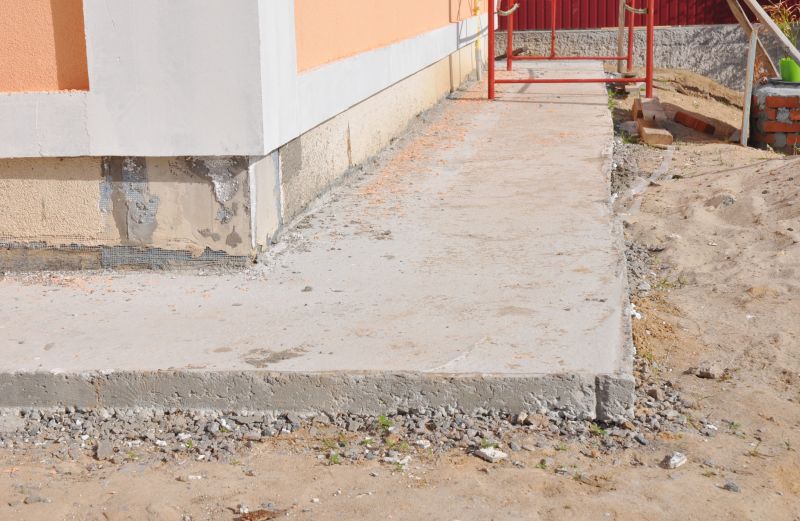
When comparing local contractors for concrete foundation repair, it’s important to evaluate their experience with similar projects. Homeowners should seek service providers who have a proven track record of handling foundation repairs comparable to their specific needs. Asking for examples of past work or references related to foundation repair methods can provide insight into a contractor’s familiarity with different repair techniques and their ability to deliver quality results. This helps ensure that the contractor understands the complexities involved and has practical experience in applying the appropriate repair methods for various foundation issues.
Clear, written expectations are essential when assessing potential service providers. Homeowners should look for contractors who can provide detailed descriptions of the repair process, including the methods they plan to use, the materials involved, and the scope of work. Having this information in writing helps prevent misunderstandings and ensures that both parties are aligned on what the project entails. Additionally, well-documented expectations serve as a reference throughout the repair process, making it easier to address any questions or concerns that may arise during the project.
Effective communication and reputable references are key factors in choosing the right contractor. Homeowners are encouraged to seek out service providers who are transparent, responsive, and willing to answer questions about their experience and repair techniques. Reputable references or reviews from previous clients can offer valuable insights into the contractor’s reliability, professionalism, and quality of work. Good communication fosters a smoother project experience, helping homeowners feel confident that the contractor understands their needs and will keep them informed throughout the repair process.
Property owners often search for concrete foundation repair methods explained when they are planning practical projects around their homes and businesses. Local pros provide Concrete Foundation Repair services for everyday jobs and straightforward project options.
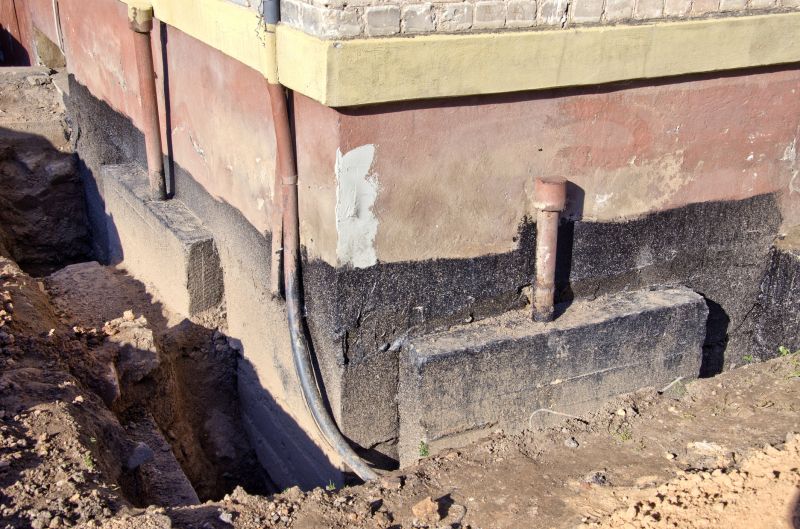
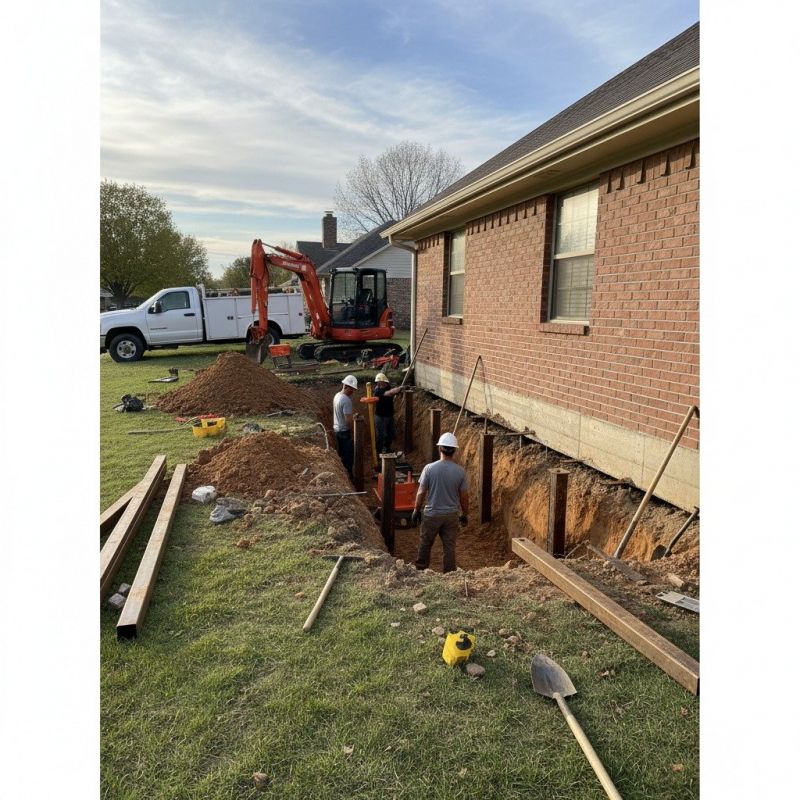
Homeowners in the area often turn to online resources to better understand concrete foundation repair methods when they notice signs of settling, cracking, or uneven floors. These issues can be common in properties built on variable soil conditions or subjected to shifting ground, making it important to explore repair options before problems worsen. Many property owners seek out information to determine whether repairs are necessary and to learn about the different approaches local contractors might use to stabilize and restore their foundations.
For those considering foundation repairs, connecting with local contractors who specialize in concrete foundation repair methods can provide valuable insights. These service providers typically offer a range of solutions tailored to specific foundation issues, such as underpinning, slab jacking, or pier installation. Understanding the available methods helps property owners make informed decisions about repairs that can help maintain the stability and safety of their homes.
What are common concrete foundation repair methods? Common methods include underpinning, slab jacking, crack injection, and piering, which are used to stabilize and restore damaged foundations. Local contractors can evaluate which approach best suits the specific issues present. These methods aim to address problems like settling, cracking, or shifting of the foundation. Each method involves different techniques to reinforce or lift the foundation safely.
How do foundation repair methods differ based on the problem? Repair methods vary depending on whether the issue is caused by settling, cracking, or shifting. For example, underpinning and piering are typically used for settling or uneven foundations, while crack injection is suited for sealing and stabilizing cracks. Local service providers assess the specific foundation condition to recommend the most effective repair approach.
Are there specific repair methods for cracked concrete foundations? Yes, crack injection and epoxy or polyurethane injections are common for repairing cracks. These methods help seal the crack and prevent further movement or water intrusion. Local contractors can determine the best crack repair technique based on the size and location of the crack.
Can foundation repair methods prevent future problems? Many repair techniques, like underpinning or piering, are designed to stabilize the foundation and prevent further shifting or cracking. Properly performed repairs by experienced service providers can improve the foundation's stability and longevity, reducing the risk of future issues.
What role do local contractors play in implementing concrete foundation repair methods? Local contractors assess foundation issues, recommend suitable repair methods, and perform the necessary work to stabilize and strengthen the foundation. They bring expertise in applying various repair techniques effectively and safely, tailored to each specific foundation problem.
Understanding underpinning techniques - property owners can explore how underpinning stabilizes and lifts a foundation, making it suitable for projects involving soil settlement.
Exploring slab jacking options - homeowners can learn about raising sunken concrete slabs to restore level surfaces with the help of local contractors.
Learning about pier and beam repairs - property owners can consider pier and beam methods to reinforce or replace damaged supports beneath a structure.
Comparing epoxy and polyurethane injections - individuals can evaluate these injection methods for sealing cracks and preventing further foundation movement, with guidance from local experts.
If you are thinking about concrete foundation repair methods explained for a property, this guide is meant to help you understand this topic, the typical project types, and how different options might fit your plans.
When you are ready, you can use the quote form on this page to share a few details about your project. From there, local pros can review the basics and follow up with options that match what you have in mind.